The rapid advancement of artificial intelligence (AI) is reshaping how infrastructure is conceived, built, and maintained. For small and medium-sized businesses (SMBs), this evolution offers a unique opportunity to rethink traditional infrastructure strategies. The key to success lies in creating a seamless mesh that combines human knowledge and experience with the power of AI-driven automation—a fusion that delivers enhanced security, operational efficiency, and agility.
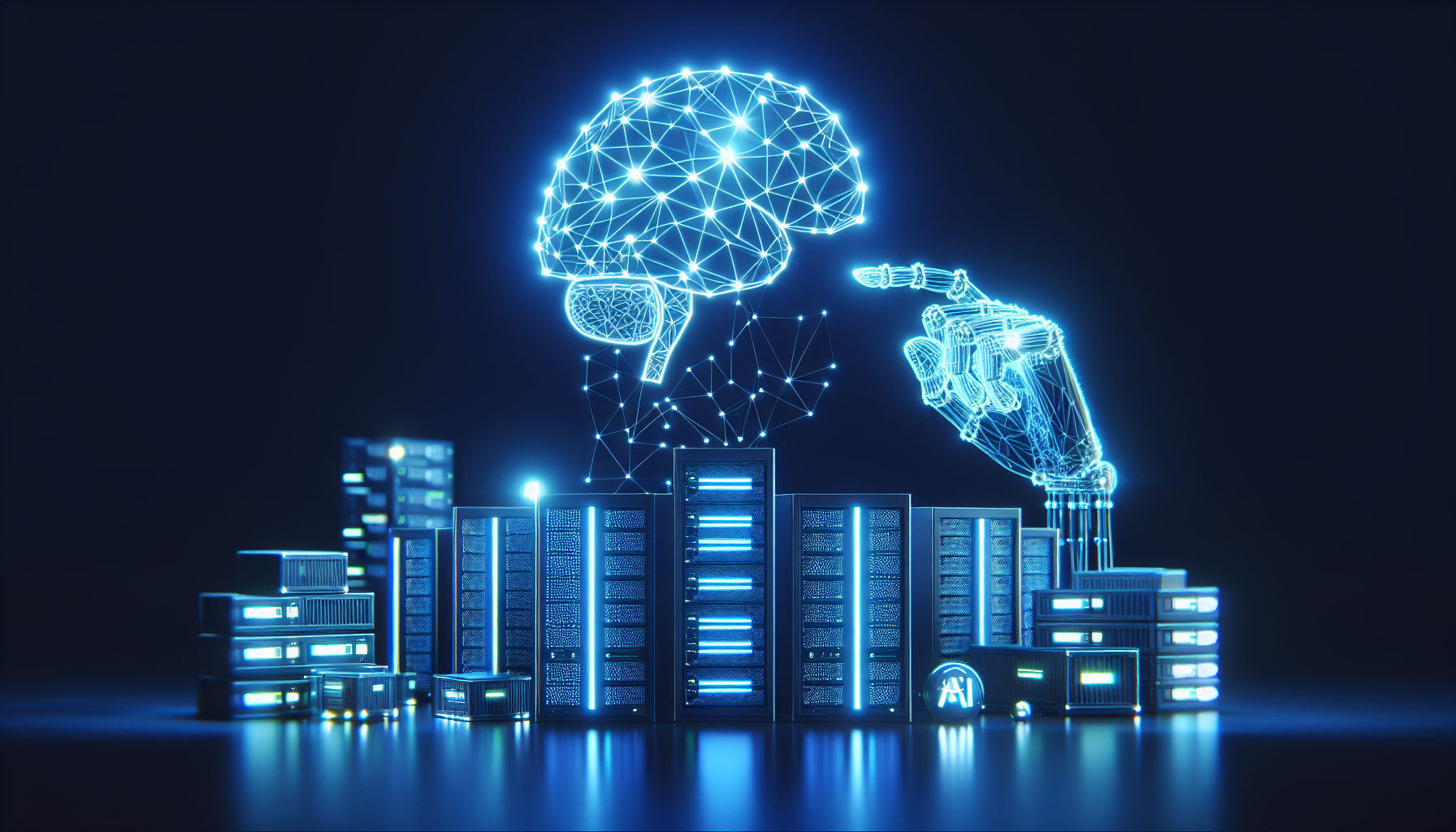
Traditionally, infrastructure development depended heavily on the expertise of engineers and IT professionals who applied their experience and best practices to design robust systems. However, the complexity and velocity of modern IT environments, especially with the rise of cloud computing and container orchestration platforms like Kubernetes, demand more dynamic and adaptive approaches. AI complements human skill sets by analyzing vast amounts of data, identifying patterns, and automating repetitive tasks such as vulnerability detection, compliance checks, and incident response. This synergy accelerates decision-making and reduces the risk of human error.
One significant advantage of integrating AI into infrastructure management is the creation of continuously learning systems. AI-powered monitoring and analytics tools can detect anomalies across networks and cloud services in real time, often flagging potential threats or performance issues before they escalate. When combined with the contextual insights and strategic thinking of experienced professionals, these tools enable proactive system hardening and faster remediation, turning reactive processes into proactive safeguards.
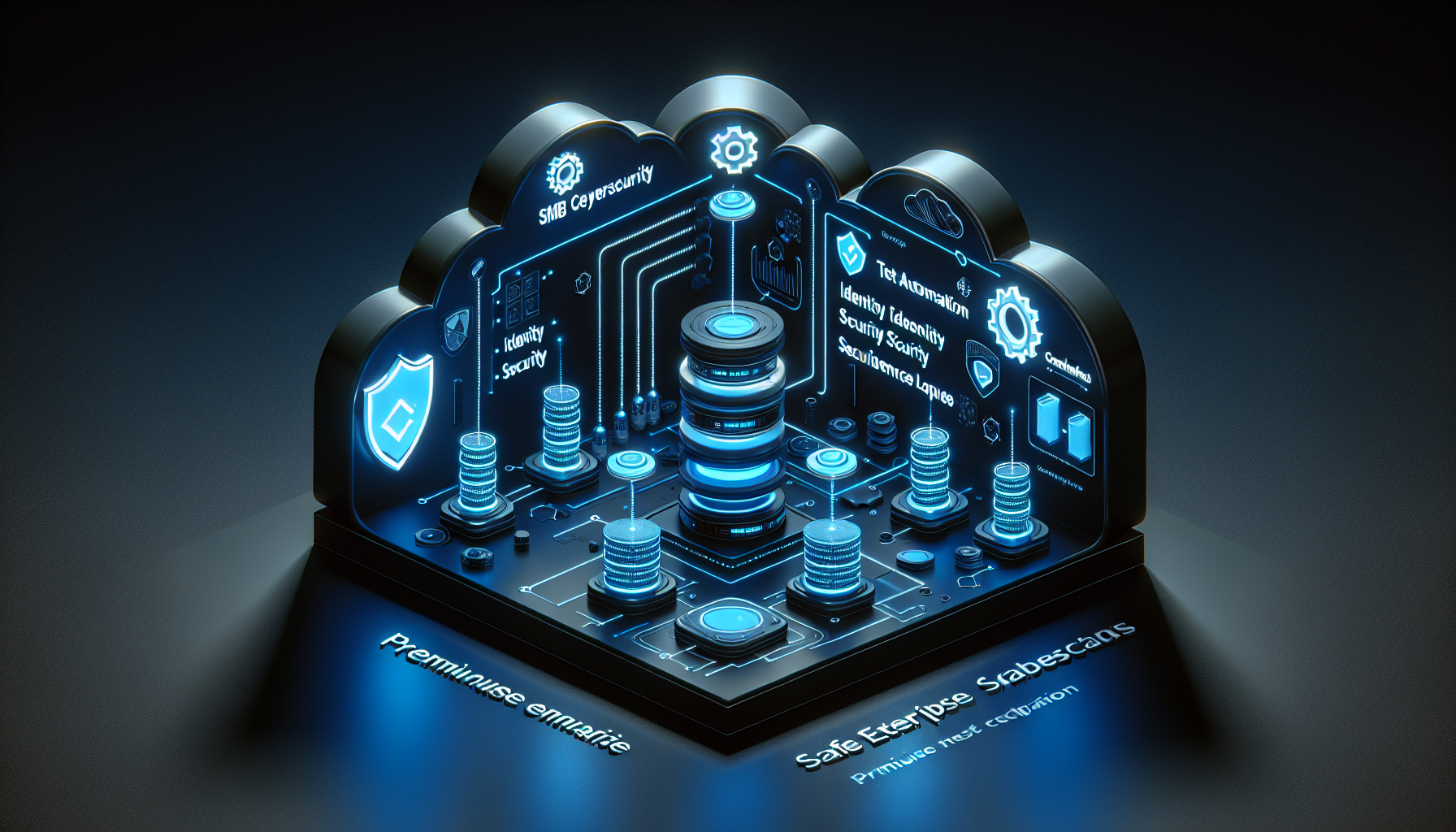
For SMBs, embracing this integrated mesh means blending AI with existing knowledge and experience across critical domains. Identity management systems enhanced with AI can dynamically adjust access controls based on behavioral analytics, ensuring only authorized users and services gain entry to sensitive resources. DevOps workflows can be strengthened with AI-driven security validations and automated compliance enforcement, reducing deployment risks. Kubernetes environments benefit from AI-powered policy enforcement, drift detection, and resource optimization, all supported by the expertise of security and operations teams.
Importantly, AI-driven infrastructure tools have become more accessible and approachable for SMBs. Many solutions now offer intuitive interfaces and scalable capabilities that do not require large dedicated security teams. By combining organizational knowledge with AI automation, SMBs can achieve enterprise-grade security and operational excellence with manageable investments. This intelligent mesh not only fortifies defenses but also unlocks greater business agility and innovation potential.
Looking ahead, the future of infrastructure lies in the seamless integration of human expertise and AI intelligence. SMBs that adopt this holistic approach will be better positioned to face evolving cybersecurity threats, optimize their operational workflows, and capitalize on emerging technologies. At MicroSecure.net, we specialize in helping SMBs navigate this transformation by delivering identity, DevOps security, and Kubernetes hardening solutions that balance deep knowledge with AI-driven automation.
In summary, building infrastructure in the era of AI is about harmonizing experience, knowledge, and intelligent automation into a unified system. This approach empowers SMBs to develop resilient, adaptive infrastructures that meet today’s demands while preparing for tomorrow’s challenges and opportunities.