As Artificial Intelligence (AI) continues to advance, its impact on cybersecurity is becoming increasingly complex. While AI has enabled more effective threat detection and automated security responses, it has also empowered scammers to develop more sophisticated attack methods. Among these, AI-generated scam emails have emerged as a potent threat, especially for small and medium-sized businesses (SMBs) that may lack extensive cybersecurity resources.
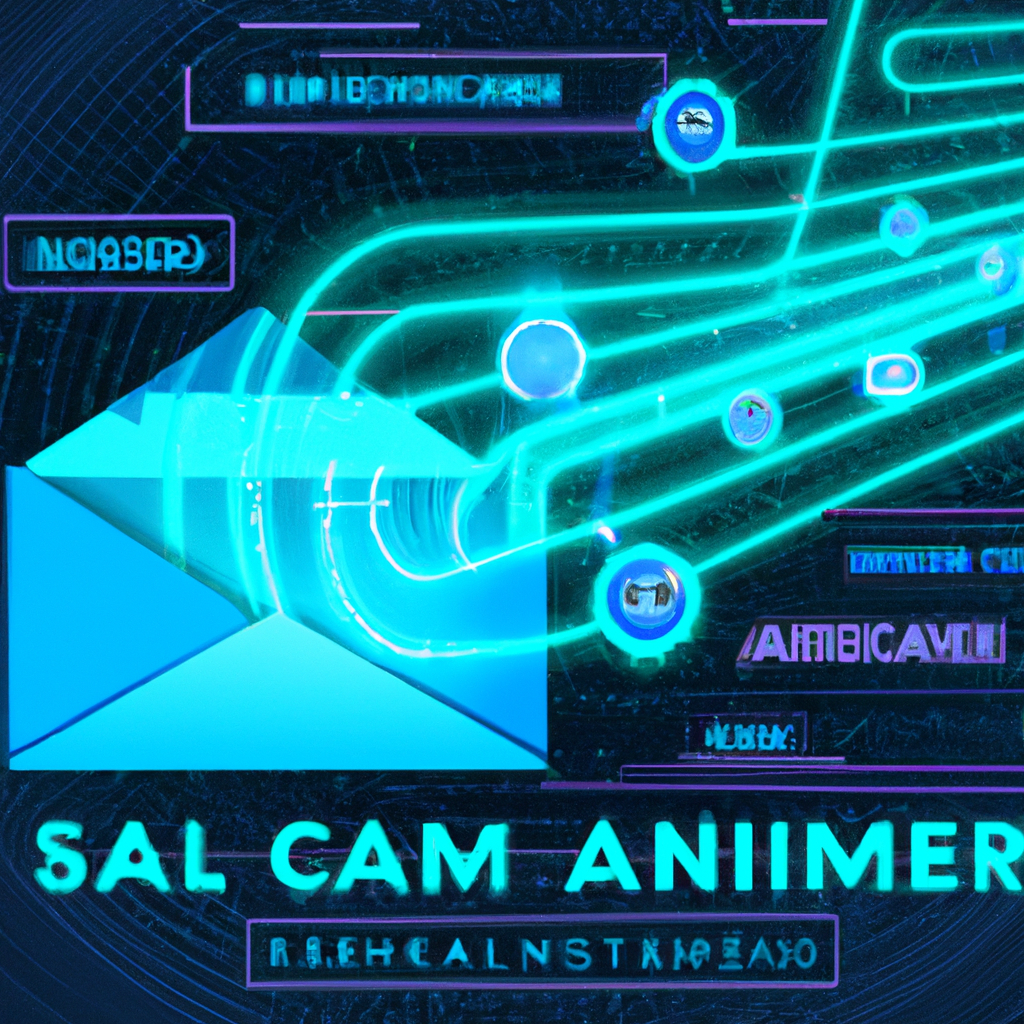
Unlike conventional phishing emails, which often contain spelling errors or generic content, AI-powered scam emails utilize natural language processing and machine learning to produce highly personalized, contextually relevant messages. By harvesting publicly available information—such as social media profiles, company announcements, and organizational charts—these malicious actors craft emails that convincingly impersonate trusted contacts, including executives, vendors, or IT staff. This level of personalization drastically increases the likelihood that recipients will fall victim to these scams.
The consequences of falling prey to these AI-driven emails can be severe. Attackers often seek to steal login credentials, deploy malware, or gain unauthorized access to critical systems, potentially leading to data breaches, financial loss, and operational disruptions. SMBs are particularly vulnerable because they may not have the dedicated security teams or advanced detection technologies that larger enterprises possess, making awareness and preventative measures critical.
To defend against AI-generated scam emails, SMBs should adopt a comprehensive, multi-layered security strategy. Implementing multi-factor authentication (MFA) is vital to prevent unauthorized access, even if credentials are compromised. Employee training must evolve to include recognition of these sophisticated scams, emphasizing skepticism towards unexpected requests—even those appearing to come from senior management. Additionally, deploying AI-enhanced email filtering and anomaly detection tools can help identify and quarantine suspicious messages before they reach end users.
Beyond email security, AI-powered scam campaigns often target individuals involved in DevOps and Kubernetes management, aiming to compromise infrastructure access. Integrating security checks into DevOps workflows—commonly known as DevSecOps—ensures vulnerabilities are detected early and mitigated swiftly. Kubernetes hardening practices such as strict role-based access control, network segmentation, and continuous auditing further reduce the attack surface and limit damage if a breach occurs.
At MicroSecure.net, we understand the evolving cyber threat landscape that SMBs face. Our expertise lies in securing identities, hardening DevOps pipelines, and fortifying Kubernetes environments with a blend of expert knowledge and advanced AI-driven tools. We work closely with our clients to tailor security strategies that address these emerging AI-powered threats and protect critical business assets.
In summary, AI-generated scam emails represent a new frontier in cybercrime that demands attention and action from SMBs. By combining education, strong identity controls, and advanced security technologies, organizations can fortify their defenses and stay resilient against these increasingly sophisticated attacks.